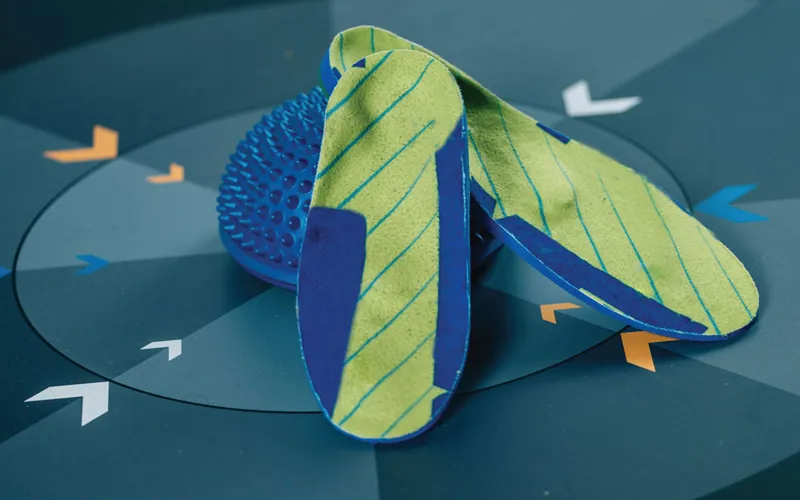
Do you think you need to use an orthotic?
Orthotics, also known as insoles, are inserts placed inside shoes that provide extra support, cushioning, and posture correction. They can help relieve a variety of foot problems, including:
- Do you feel like the arch of your foot has collapsed?
- Are you avoiding your daily walks because of foot pain?
- Were you given orthotic insoles years ago but aren't quite sure what they do, or are they no longer providing you with comfort?
- Are you thinking that custom orthotic insoles could benefit you, but confused about how they might help or concerned about the cost?
- Have you been told that you need custom orthotic insoles?
If you answered "yes" to any of the questions above, you've come to the right place! Our highly experienced podiatrists at our clinics nationwide would be happy to advise you and answer all your questions about custom insoles.
When it comes to foot health, the right support can make a world of difference. Whether you have foot pain, are recovering from an injury, or simply want to improve your comfort, the importance of insoles cannot be overstated. But with so many options available, how do you choose between custom-made insoles and over-the-counter insoles? In this blog post, we'll examine the key differences between these two types of insoles, their benefits, and how to decide which one is right for you.
What Are Insoles: What Are They and Why Are They Necessary?
Insoles, also known as orthotics, are devices placed inside shoes that provide additional support, cushioning, and postural correction. They can help relieve a variety of foot problems, including:
- Plantar fasciitis
- Flat feet
- High arches
- Heel pain
- Overpronation or supination
- Foot fatigue
Insoles can also improve overall comfort, especially if you spend long hours on your feet or engage in high-impact activities such as running or walking.
Custom Insoles: Support Tailored to Your Feet
Custom insoles are specifically designed for your feet based on a detailed assessment by a healthcare professional such as an orthotist or podiatrist. These insoles are made to address the unique characteristics of your foot structure, your gait, and any specific issues you may be experiencing.
Benefits of Custom Insoles
- Personalized Fit: Custom insoles are made to match the exact shape of your foot, providing support exactly where you need it most.
- Effective for Complex Issues: If you have serious foot problems such as severe arch deformities or chronic pain, custom insoles can provide relief targeted to those issues.
- Durability: Most custom insoles are made from high-quality materials, making them more durable and longer-lasting compared to off-the-shelf insoles.
- Corrective Support: Custom insoles help address biomechanical issues, improving your posture, gait, and overall foot health.
Disadvantages of Custom Insoles
- Cost: Custom insoles are more expensive, typically ranging from $75 to $150 depending on the level of complexity and materials used.
- Time-Consuming: Getting custom insoles requires an initial consultation, foot assessment, and sometimes several fitting appointments, a process that can take several weeks.
- Limited Accessibility: Custom insoles require a prescription and a visit to a healthcare professional, making them less accessible compared to over-the-counter options.
Over-the-Counter Insoles: A Convenient and Affordable Solution
Over-the-counter insoles are readily available at pharmacies, sporting goods stores, and online. They come in a variety of sizes, shapes, and materials to suit different foot types and needs.
Benefits of Over-the-Counter Insoles
- Affordability: Over-the-counter insoles range in price from $10 to $100, making them considerably cheaper than custom options.
- Ease of Access: You can purchase over-the-counter insoles without a prescription, making them easy to obtain for immediate relief.
- Variety: Over-the-counter insoles come in different styles such as gel, foam, or rigid support, allowing you to choose based on your own comfort and support needs.
- Quick Solution: If you want immediate relief from foot discomfort, over-the-counter insoles are a fast and effective option.
Disadvantages of Over-the-Counter Insoles
- Generic Fit: Because over-the-counter insoles are designed to fit a wide range of foot types, they may not provide the exact support your specific foot structure requires.
- Limited Effectiveness: For people with serious or complex foot problems, it's worth noting that over-the-counter insoles may not provide adequate relief or correction.
- Shorter Lifespan: Over-the-counter insoles may not last as long as custom insoles and may therefore need to be replaced more frequently.
- How Do You Decide Which Insole Is Right for You?
Choosing between custom-made and off-the-shelf insoles depends on a variety of factors including your foot health, budget, and personal preferences. Here is detailed information to help you make an informed decision:
Consider custom insoles if:
- You have chronic foot pain or a diagnosed foot condition such as plantar fasciitis, flat feet, or high arches.
- You've tried over-the-counter insoles but haven't found adequate relief.
- You're ready to invest in a long-term solution to improve your foot health.
- You need corrective support for biomechanical issues such as overpronation or supination.
Consider over-the-counter insoles if:
- You experience mild to moderate discomfort or fatigue in your feet.
- You're looking for a budget-friendly option.
- You need immediate relief and don't want to wait for custom insoles to be made.
- Your foot structure is relatively normal and you don't require specialized support.
Both custom-made and off-the-shelf insoles have their own unique advantages and can play a vital role in improving your foot health and comfort. If you have serious foot problems, custom-made insoles may be worth the investment due to the personalized support and long-term benefits they offer. However, if you need a quick and affordable solution for minor discomfort, off-the-shelf insoles may be the right choice.
Whatever option you choose, it's very important to listen to your body's signals and consult a healthcare professional if you're unsure about which insole best suits your needs. Properly supporting your feet can prevent pain, improve your posture, and keep you on your feet longer, so never underestimate the impact the right insoles can have on your overall health.
Did you know that the posture of your foot and ankle can affect your overall health? Pronation refers to the way the foot moves during walking or running. This natural movement ensures that body weight is distributed evenly across the foot and absorbs the impact at the moment of ground contact. However, overpronation and underpronation, also known as supination, can lead to various foot and ankle conditions.
In this article, we'll cover what pronation is, what conditions it can cause in the foot and ankle, and what we can do to treat or correct it. Whether you're an athlete or someone who experiences foot pain in daily life, understanding pronation and its effects on the body can help improve your overall foot health. So let's get started!
Understanding Pronation
Pronation is the natural movement of the foot and ankle during walking or running. When you take a step, your foot first contacts the ground with the outer edge of the heel. It then rolls inward to distribute body weight and absorb impact, and finally you push off with your toes. This movement ensures a smooth and efficient walking cycle.
There are three main types of pronation: neutral, overpronation, and supination, each of which affects the body in its own unique way and can lead to different conditions if not properly managed.
Neutral Pronation
Neutral pronation, also known as normal pronation, is the most ideal type of pronation. During movement, the foot rolls slightly inward to distribute weight evenly across the entire surface of the foot. This helps prevent excessive strain in any one area and reduces the risk of injury.
Overpronation
Overpronation is when the foot rotates inward beyond the ideal range of 15%. This can occur due to flat feet or weak ankle muscles, causing the foot to collapse and placing excessive pressure on the inner side of the foot.
This can lead to various conditions such as:
- Plantar Fasciitis: An inward-rolling foot posture can cause overstretching and inflammation of the plantar fascia, a band of tissue connecting the heel bone to the toes. This condition is typically characterized by severe heel pain.
- Bunions: Overpronation can cause imbalance in the foot structure, which over time can lead to bony prominences forming at the big toe. These are bony protrusions located on the side of the big toe joint that cause discomfort and make wearing certain shoes difficult.
- Medial Tibial Stress Syndrome: Also known as shin splints, this condition develops from overuse of the lower leg muscles due to overpronation. It can cause pain and tenderness along the inner edge of the tibia (shin bone).
- Achilles Tendinitis: Overpronation can place excessive strain on the Achilles tendon, causing inflammation and pain at the back of the heel.
Supination
Supination, also known as underpronation, occurs when the foot rotates outward less than 15% during the walking cycle. This is typically seen in people with high arches and can lead to problems with shock absorption. In supination, the smaller toes do most of the work during the push-off phase.
This can cause pressure on the outer edge of the foot and lead to problems such as:
- Stress Fractures: The increased pressure on the outer edge of the foot can make it more susceptible to stress fractures, which are small cracks in the bone caused by repetitive strain.
- Ankle Sprains: Since outward-rolling feet are less flexible, they are more prone to ankle sprains due to the increased risk of the foot rolling outward.
- Peroneal Tendinitis: This condition involves inflammation of the tendons that connect the muscles on the outer side of the lower leg to the bones of the foot, causing pain and discomfort on the outer side of the foot and ankle.
How Can Insole World Help You?
If you are experiencing any pain or discomfort in your feet or ankles, it's important to see a podiatrist for a proper diagnosis and treatment. Our specialists have extensive experience treating a variety of foot conditions and can help determine the most appropriate treatment approach for your situation.
Common treatment options for pronation-related conditions include:
Custom Orthotics
Custom orthotic shoe insoles are specially designed for your feet. They help correct imbalances in the foot structure, providing support and stability during movement. Insole World can prepare custom orthotic insoles tailored to your individual needs.
Surgery
In serious cases, surgery may be recommended to address the underlying issues causing overpronation or underpronation. This is generally considered a last resort and only comes into consideration when other treatment options have been exhausted. Insole World can help you determine whether this is the most appropriate option for you.
Trust Insole World for Your Foot Pain!
Pronation is a natural and necessary part of the walking cycle, but when it becomes excessive or imbalanced, it can lead to discomfort and potential injury. Understanding your type of pronation and seeking appropriate treatment can help prevent future problems and allow you to stay active and live pain-free.
What Are the Types of Pronation?
Understanding the types of pronation can help you choose the right footwear and prevent common foot injuries. Pronation essentially refers to how your foot rolls when it makes contact with the ground. Here is a detailed explanation of the three main types:
1. Neutral Pronation
Neutral pronation provides a comfortable balance, with your foot rolling slightly inward about 15%. This natural movement helps absorb impact and keeps you balanced with each step. Most people with neutral pronation have an efficient walking style that supports even distribution of body weight.
2. Supination (Underpronation)
Supination occurs when the foot rolls outward upon ground contact. People with high arches are more prone to this condition, which can lead to problems such as Achilles tendinitis, plantar fasciitis, shin pain, and iliotibial (IT) band syndrome. People who experience supination generally have less shock absorption, so their footwear should provide extra cushioning and flexibility.
3. Overpronation
Overpronation occurs when the foot rolls inward more than the standard 15%. Commonly seen in people with flat feet, this condition can also lead to injuries such as IT band syndrome. Stability or motion control shoes are often recommended to keep overpronation in check and reduce the risk of injury.
Understanding your pronation type can help you choose appropriate footwear and enhance comfort and performance in your daily activities.
Causes of Overpronation
Several factors contribute to the development of overpronation. Some of the main causes include:
Genetics
Genetics plays an important role in foot structure and function. If there is a history of overpronation in your family, you may be more prone to it yourself.
Flat Feet
People with low or flat arches tend to have a higher likelihood of overpronation. Flat feet cannot provide adequate support to the body, increasing the risk of pronation-related problems.
Foot Injuries
Injuries to the foot or ankle, especially if not properly treated, can disrupt the biomechanics of the foot and lead to overpronation.
Inappropriate Footwear
Wearing shoes that don't provide adequate support or properly support the arch of the foot can cause overpronation.
Lifestyle Factors
Participating in certain activities and sports that require repetitive movements, such as running or dancing, can increase the risk of overpronation.
Identifying Overpronation: Common Signs
Recognizing the signs of overpronation is very important for timely intervention. Some common signs associated with overpronation include