Welcome
Custom Insole Solutions with Computerized Foot Analysis
Identify Your Problems, Find the Solution
Foot problems left untreated can lead to knee, hip, and lower back pain. With the right insole, you can reverse this process.
Flat Feet (Pes Planus)
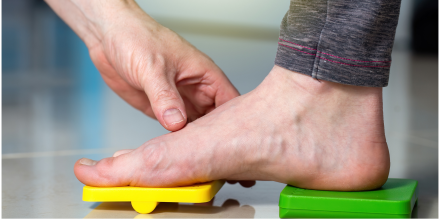
A condition where the inner arch of the foot is less pronounced than normal or absent entirely.
Symptoms
- Pain and fatigue along the inner edge of the foot
- Pain after prolonged standing
- Contributing factor to knee, hip, and lower back pain
- Rapid wear on the inner side of shoes
How We Help?
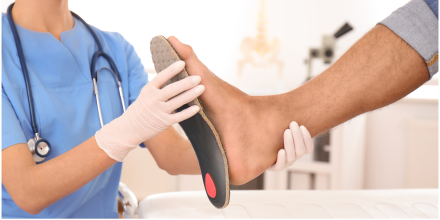
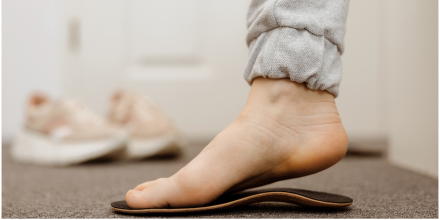
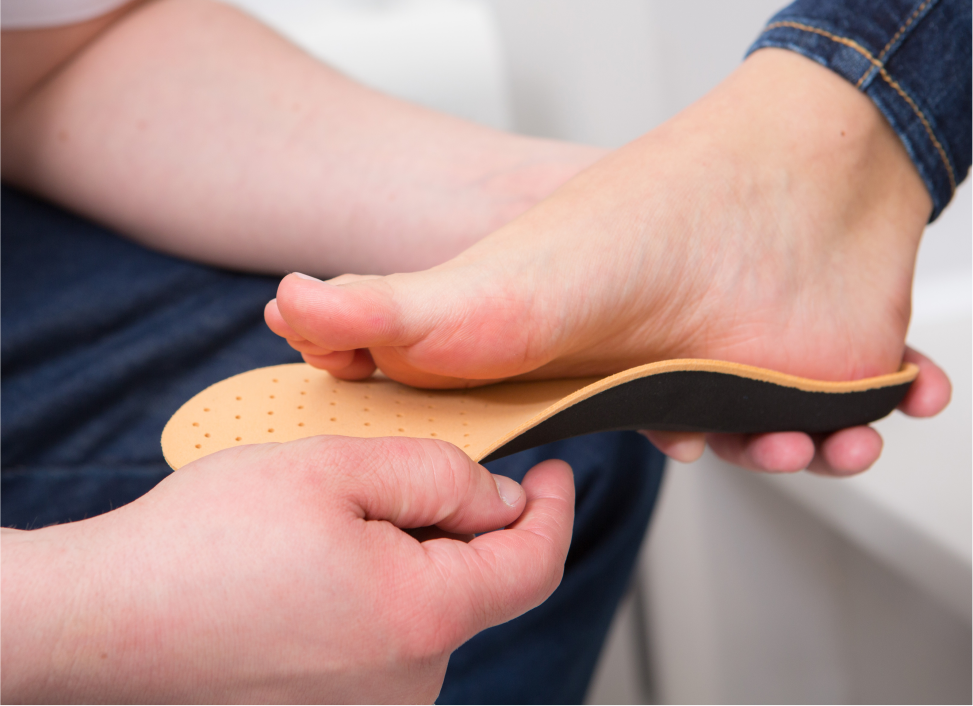
Our arch-support insoles distribute body weight evenly to reduce pain and improve your posture.
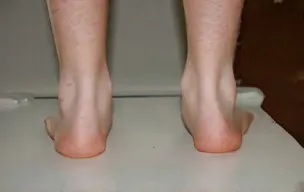
Overpronation (Pronation / Overpronation)
Excessive inward rolling of the foot during walking places incorrect stress on the knee and hip.
Symptoms
- Chronic pain along the inner edge of the sole
- Inner knee pain (runner's knee)
- Shin splints and Achilles tendon pain
- Rapid wear on the inner ball of the shoe
How We Help?
Our pronation-control insoles keep the heel in a neutral position, ensuring proper alignment with every step.
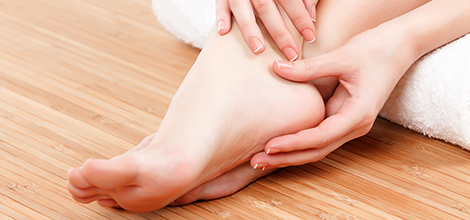
Heel Spur (Calcaneal Spur / Plantar Fasciitis)
A bony growth on the heel bone that causes sharp, stabbing pain with the first steps in the morning.
Symptoms
- Severe heel pain with the first morning steps
- Sharp, stabbing sensation under the heel
- Worsening pain during extended walking
- Recurring pain after rest
How We Help?
Our heel cup insoles redirect pressure away from the painful area, and the gel layer reduces tension on the plantar fascia.
How Do We Work?
We prepare your custom insole in 4 simple steps
Foot Analysis
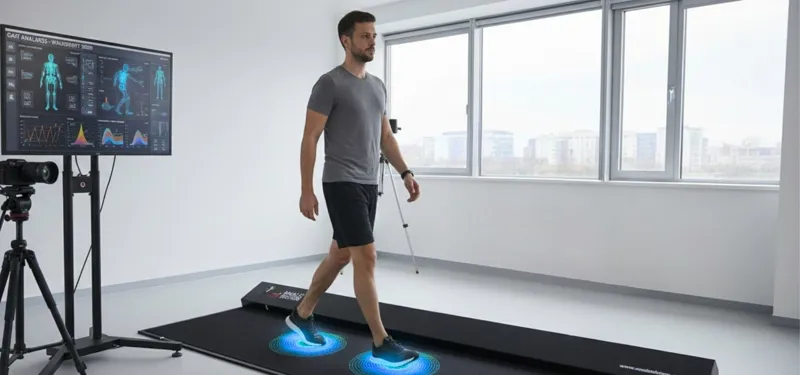
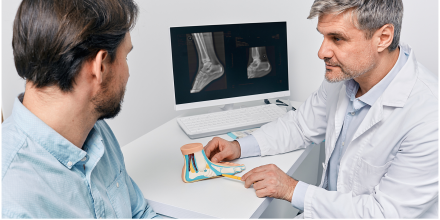
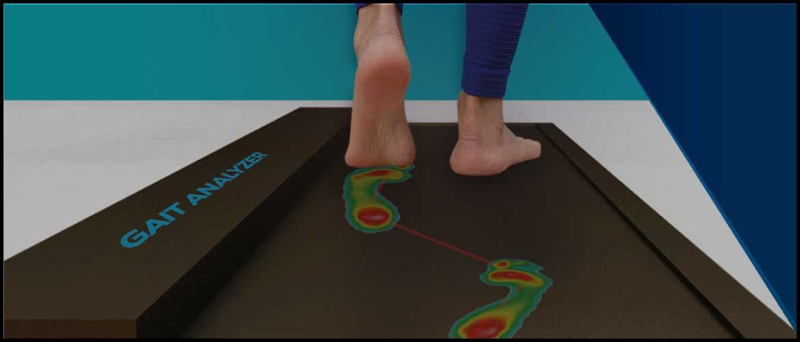
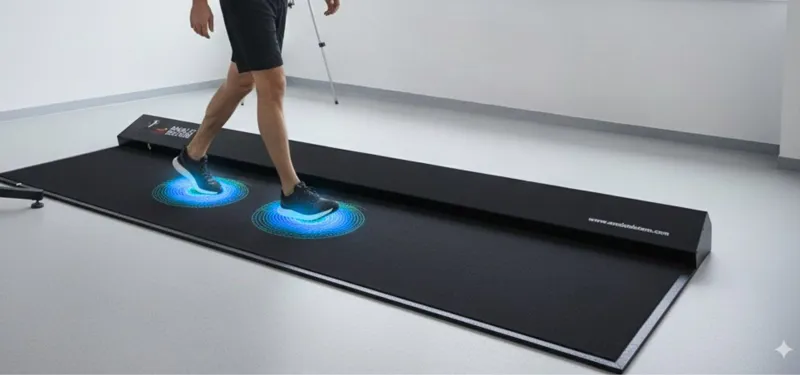
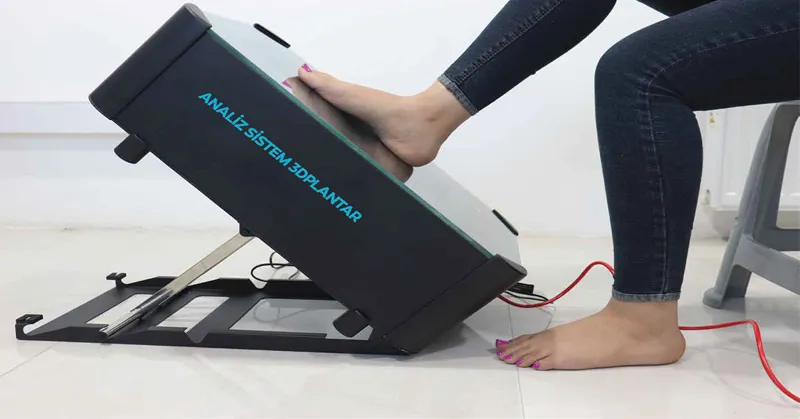
Detailed foot analysis performed using a computerized system
Modeling
3D modeling based on analysis results
CNC Manufacturing
Precision production with high technology
Delivery & Check
Usage training and follow-up appointments
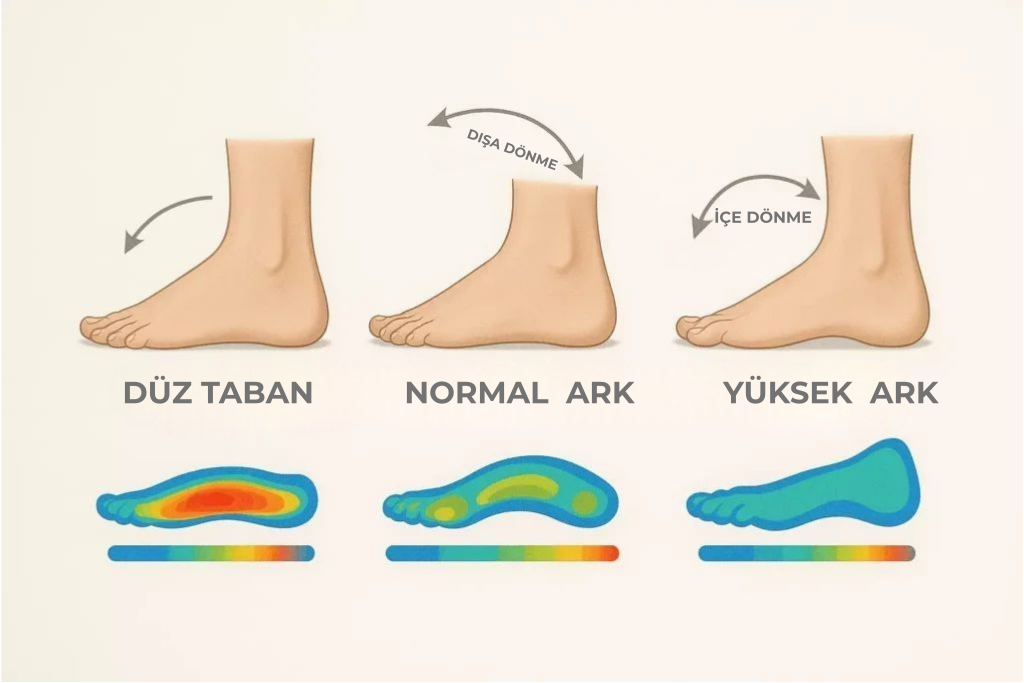
What are foot types?
A foot type is classified based on the arch height and biomechanics of the foot. These characteristics affect balance, posture, and overall movement.
Arch Height and the 3 Main Foot Types
- Flat Foot (Pes Planus): A low or collapsed arch typically leads to overpronation, which causes the foot to roll inward. Flat feet are closely associated with plantar fasciitis, bunions, and shin splints.
- Neutral Arch: This arch is balanced and distributes weight evenly. Although considered the “normal” foot type, neutral arches can still cause pain if left unsupported or if the individual engages in high-impact activities.
- High Arch (Pes Cavus): A pronounced and rigid arch typically leads to supination, causing the foot to roll outward. High arches are associated with metatarsalgia, sesamoiditis, and stress fractures.
Why Does Foot Type Matter?
Each foot type affects not only the feet but also the alignment of the ankles, knees, hips, and spine.
- People with flat feet often need stability shoes or orthotic insoles to reduce pain and prevent injuries.
- People with high arches benefit from cushioned shoes and may need a gait analysis to reduce excessive pressure.
- Even people with flat feet should have regular check-ups with a foot health specialist for long-term joint health maintenance.
By identifying your foot type, you can prevent recurring pain, reduce the risk of chronic discomfort, and take proactive steps toward healthier movement.
Methods for Determining Foot Type at Home
Wet Foot Test
The wet footprint test is a quick way to determine your foot type:
- Flat Foot (Pes Planus): A full footprint with very little arch curvature indicates overpronation, which is a risk factor for plantar fasciitis and bunions.
- Neutral Arch: A moderately curved footprint indicates balanced arch support.
- High Arch (Pes Cavus): A narrow footprint with very few contact points indicates supination, which is commonly associated with metatarsalgia and stress fractures.
Shoe Wear Pattern Test
The wear pattern on your shoes can reveal your foot type:
- Flat foot: Excessive wear on the inner edges indicates overpronation.
- Neutral Arch: Even wear across the entire sole indicates balanced movement.
- High arch: Worn outer edges indicate supination, which increases pressure on the forefoot.
Standing and Gait Observation
Check your ankles in a mirror or while walking:
- Flat foot: Ankles roll inward (overpronation).
- Neutral Arch: Ankles remain aligned.
- High arch: Ankles roll outward (supination), which causes instability.
Professional Foot Type Assessment
At-home checks are helpful, but the most accurate results come from professional analysis. Specialists at Tabanlık Dünyası use advanced gait analysis methods to:
- Measure arch height
Causes of Different Foot Types
Foot types — including flat feet (pes planus), neutral arch, and high arch (pes cavus) — are shaped by a combination of genetic factors, lifestyle, injuries, and medical conditions. Some people are born with their arch structure, while others experience changes over time due to aging, tendon weakness, or neurological disorders. Understanding the cause of your foot type helps explain why some people develop conditions like plantar fasciitis, bunions, or metatarsalgia while others do not.
Causes of Flat Feet (Pes Planus)
Flat feet, medically known as pes planus, occur when the arches collapse, resulting in overpronation. Patients often ask: “What causes flat feet?”
Common causes include:
- Genetics: Inherited low arch structure.
- Weak tendons: Posterior tibial tendon dysfunction (PTTD) leading to arch collapse.
- Injury or trauma: Damage to foot or ankle structures causing the arch to flatten.
- Lifestyle factors: Obesity, pregnancy, and prolonged standing place pressure on the arches.
- Aging: Adult-onset flat feet due to tendon wear or joint degeneration.
Impact: Flat feet increase the risk of plantar fasciitis, bunions, shin splints, and ankle instability; these conditions can often be managed with custom orthotics, stability footwear, and gait analysis.
Causes of High Arches (Pes Cavus)
High arches, or pes cavus, are less common but generally more rigid. Patients often ask: “Are high arches genetic, or do they stem from a medical condition?”
Common causes include:
- Genetics: Hereditary elevated arch height.
- Neurological conditions: Disorders such as Charcot-Marie-Tooth disease or cerebral palsy.
- Muscle imbalance: Overactive foot or leg muscles that pull the arch upward.
- Trauma or surgery: Injuries or structural changes that alter arch height.
Impact: High arches are closely associated with supination and increase the risk of metatarsalgia, sesamoiditis, stress fractures, and chronic ankle sprains. These complications are best managed with custom orthotics, cushioned footwear, and gait analysis.
Can Foot Type Change Over Time?
Yes — foot type can change due to age, lifestyle, or health conditions.
- Flat Feet: Children with flexible flat feet may develop arches naturally over time, while adults can develop flat feet due to tendon weakness, obesity, or trauma.
- High-Arched Feet: Usually a genetic condition, but can worsen due to neurological disorders.
- Neutral Arch: Can become flat or high-arched following injury or changes in activity level.
Impact: Changes in foot type can increase the likelihood of developing plantar fasciitis, bunions, or stress fractures. Early detection through a podiatry assessment is essential.
Different foot types — including flat feet (pes planus), neutral arch, and high arch (pes cavus) — affect the way your body moves. Biomechanical differences such as overpronation in flat feet or supination in high-arched feet can increase stress on the lower extremities and contribute to painful conditions like plantar fasciitis, bunions, metatarsalgia, stress fractures, and ankle sprains. Identifying your foot type helps explain these issues and guides treatment strategies such as custom orthotics, gait analysis, and specialist footwear recommendations.
When Should You See a Foot Specialist?
Signs You Should See a Podiatrist
If you notice any of the following, you should schedule a podiatry evaluation:
- Persistent heel or arch pain (often caused by flat feet / pes planus)
- Recurring ankle sprains or forefoot pain (commonly seen in high arch / pes cavus cases)
- Bunions or foot deformities that negatively affect shoe comfort
- Chronic foot fatigue despite wearing supportive shoes
- Sports-related injuries caused by overpronation or supination
Why Early Assessment Matters
Ignoring foot pain or biomechanical issues can lead to chronic conditions such as plantar fasciitis, bunions, metatarsalgia, and stress fractures. Early intervention through a podiatry evaluation or gait analysis can help you:
- Determine whether you have overpronation (flat feet) or supination (high arches)
- Prevent foot problems associated with your foot type from worsening
- Gain access to personalized treatments such as custom orthotic insoles and expert footwear advice
What to Expect at Tabanlık Dünyası
Specialists at Tabanlık Dünyası provide comprehensive care for all foot types. During your appointment, you can benefit from the following services:
- Gait analysis to measure arch type and movement patterns
- Footwear assessment to recommend supportive shoes
- Prescription of custom orthotic insoles to restore balance and relieve pain
- A treatment plan for conditions such as plantar fasciitis, bunions, metatarsalgia, or ankle instability
Your foot type — whether flat feet (pes planus), a neutral arch, or high arches (pes cavus) — plays an important role in your biomechanics and overall health. Variations such as overpronation (common in flat feet) and supination (common in high arches) can increase the likelihood of painful conditions such as plantar fasciitis, bunions, metatarsalgia, stress fractures, and ankle sprains.
The good news is that with early specialist intervention, these issues can be effectively managed. Solutions such as custom insoles, gait analysis, and footwear guidance help restore balance, reduce pain, and prevent long-term complications.
Why Choose Tabanlık Dünyası?
Our specialists provide expert diagnosis and treatment for all foot types. Whether you are dealing with:
- A connection between plantar fasciitis and flat feet (pes planus)
- Bunions caused by overpronation
- Metatarsalgia or stress fractures associated with high arches (pes cavus)
We offer evidence-based treatments, including:
- Advanced gait analysis for biomechanical assessment
- Custom orthotic insoles specifically designed for your arch type
- Personalized footwear recommendations for long-term support
If you are experiencing foot pain, instability, or recurring injuries, don't wait for the problem to get worse. Early specialist treatment makes a significant difference in preventing conditions such as plantar fasciitis, bunions, and ankle sprains.
Schedule an appointment at Tabanlık Dünyası today and take advantage of a comprehensive evaluation, gait analysis, and custom insoles specifically designed for your foot type.
Google Yorumlarımız

Gizem Karaca
I came across them by chance while researching online and reached out based on other users' reviews. I'm glad I did. Atilla is an incredibly helpful and gracious gentleman. He gave satisfying answers to every question I had. I then made an appointment and we got started. Mustafa performed my foot analysis and delivered the product in a short time. My feet feel incredibly comfortable and I forget I even have an inward stepping problem. They never act like the sale is done and forgotten — they inform you on every front and support your health follow-up. I highly recommend them.
Zehra Birbiri
They were genuinely very attentive and gave clear, informative answers to all my questions. I had it done for my son and I was very satisfied. They mentioned that we should come in for check-ups every 3 months, that they can make adjustments as needed during those visits, and that the entire process is free of charge. They stand behind the products they make. The fact that the measurement site and the workshop are managed by the same people makes the whole process much more professional.
Dilek Tiryaki
They evaluated me with a very professional and careful approach. I wish I had gotten this analysis done much sooner. The way your foot is shaped affects your knees and hips in a chain reaction. Thank you so much.
Hande Yurtalalanlı
My son is 9 years old, has flat feet, and uses insoles. I've tried other medical providers until now — first they don't know what they're doing, then they don't understand the situation. Atilla and his team are also the manufacturers. I always thought that cleats and sports shoes needed separate molds, and I heard that for the first time here. Having separate molds made a huge difference. My son is very happy, the business is very attentive and genuine, and I was extremely satisfied. I recommend them to everyone. This is the right place.